refreshU
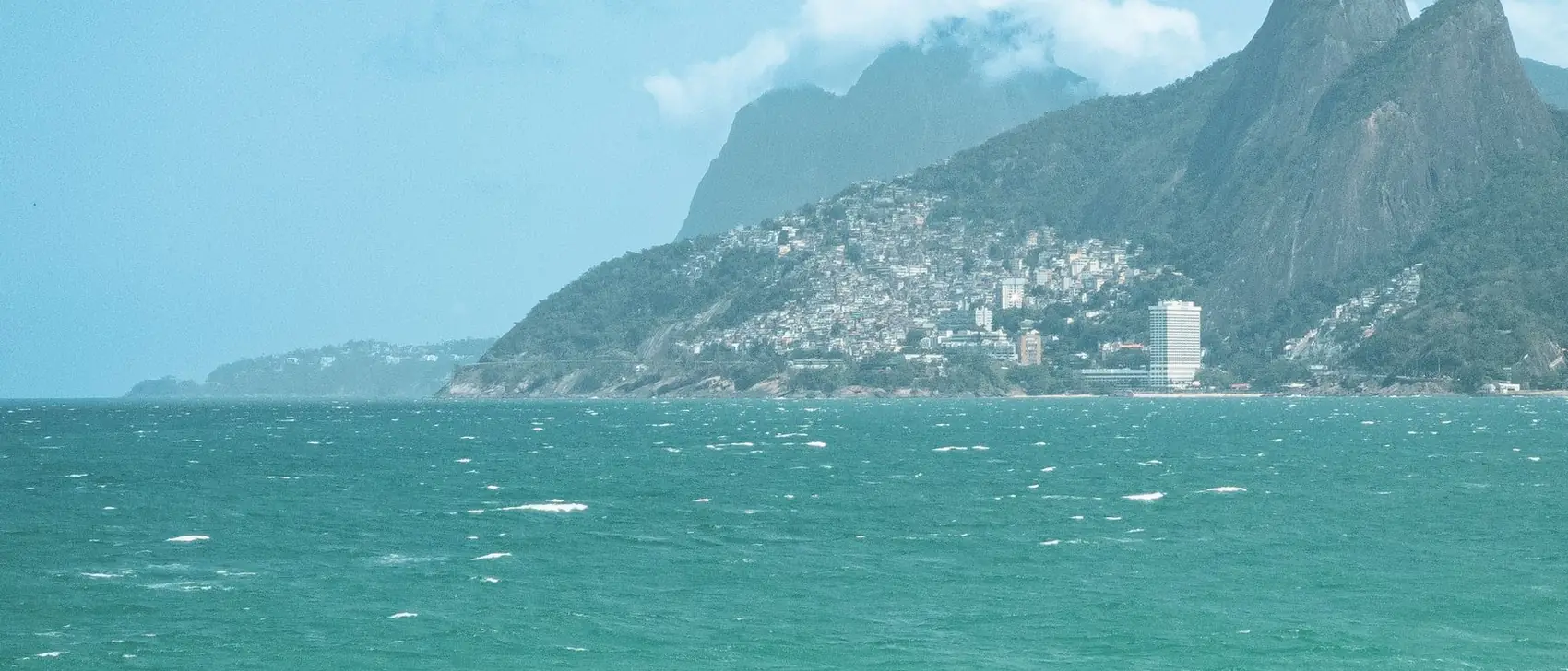
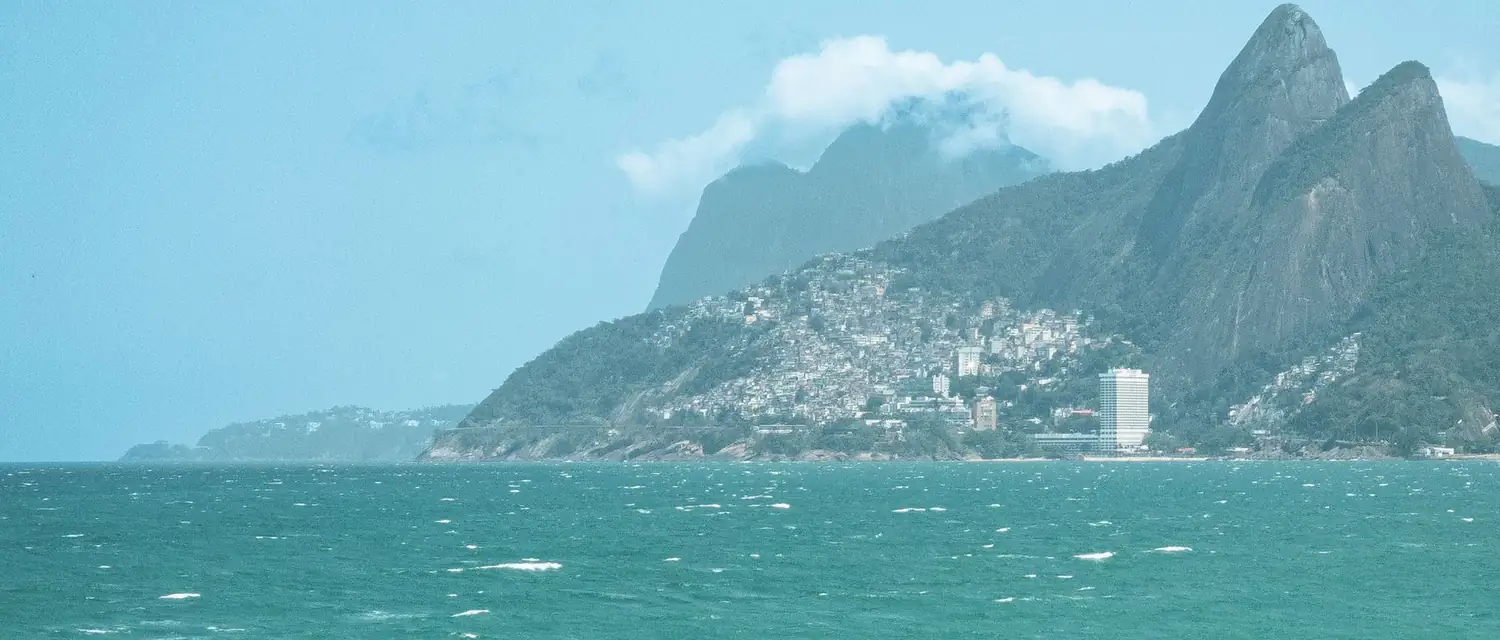
Ipanema and the Dois Irmãos peaks seen from the rocks at Arpoador

Rio de Janeiro

The recovery that happens by the sea

The same standard of clinic and the same concierge, in a city where the short walk your physician clears you for happens along the water. Rio is the destination for the stay where the days between appointments are the point.

Why people choose it

Recovery does not feel like recovery here. The neighbourhoods we use are flat, quiet and close together, and a walk you are cleared for ends at the sea rather than at a traffic light.

What it asks of you

The famous sights involve heat, sun and, in some cases, real climbing. Several of them are worth planning for the end of the stay rather than the beginning.

Rodrigo de Freitas lagoon with the hills behind it

Where you stay

Walkable, residential and close to the clinics. We book the hotel; you pay the hotel directly.

The neighbourhoods

Copacabana

The strongest medical case

Rua Figueiredo de Magalhães starts at the beachfront and holds two reference private hospitals within a few blocks, Copa Star and Copa D’Or. You leave a hotel facing the sea and reach the hospital on flat ground without leaving the neighbourhood. Busier and more touristic than Ipanema, with the widest choice of hotels.

Ipanema

The balanced one

A small grid, two metro stations, the densest run of restaurants in the Zona Sul, and Brazil’s fine jewellery street. Almost everything is solved within two or three flat blocks. Ipanema and Leblon recorded no homicides in the first quarter of 2026, and 61 municipal guards have patrolled both around the clock since May.

Leblon

The quiet one

The most expensive and calmest address in the Zona Sul, with Dias Ferreira as its restaurant spine. It empties after dinner, which is usually the criticism and is exactly the point when you are recovering. Three of Rio’s eight Michelin stars are here.

Jardim Botânico

The green one

Leafy, noticeably cooler because forest surrounds it, with Parque Lage, the botanical garden and the lagoon around it. Hotels are scarce, so it works better as a daily destination than as a base.

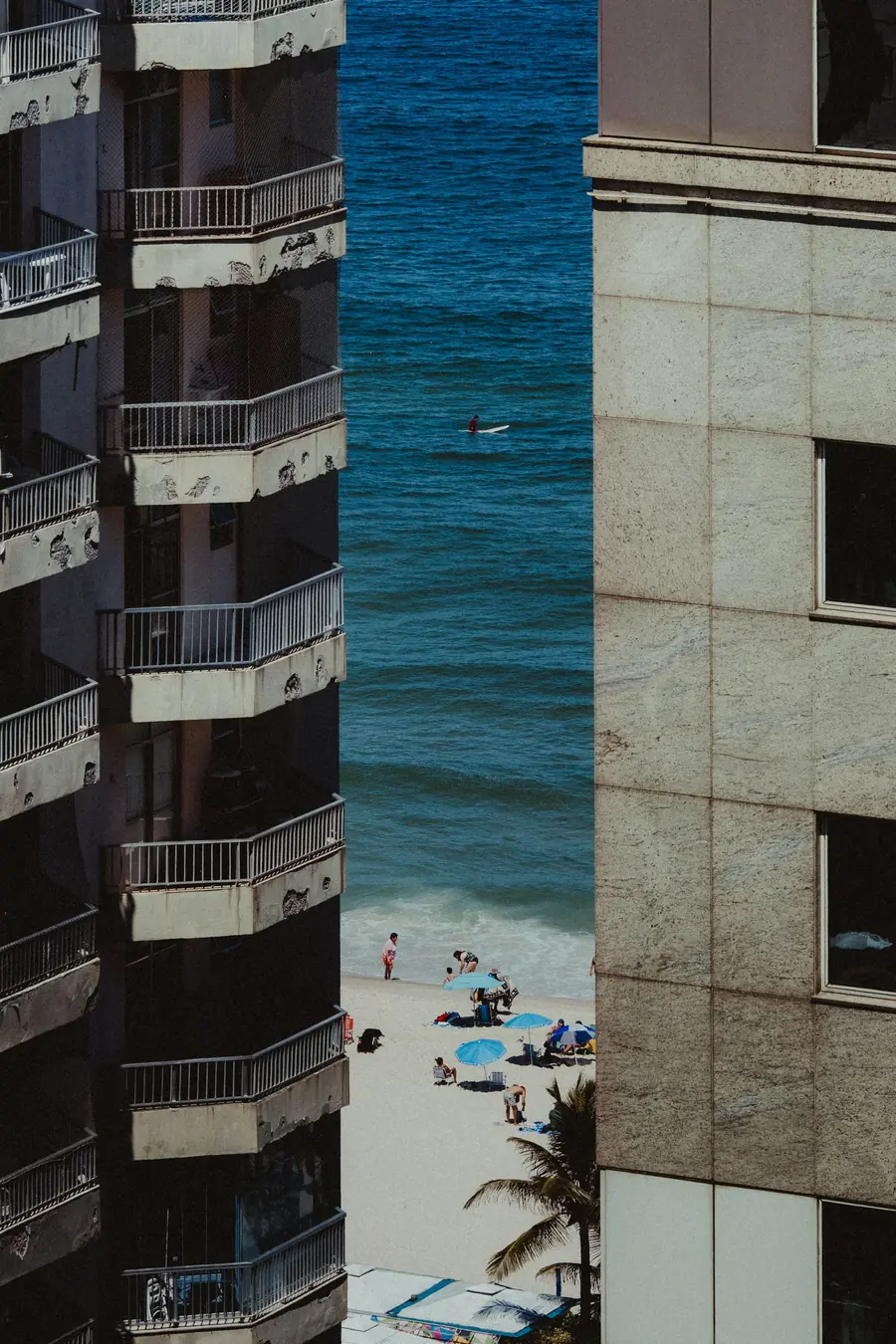
The sea appearing between buildings in Ipanema

The hotels

Copacabana Palace

Copacabana

The most recognisable hotel in Brazil, a century old, facing the beach, with MEE and its Michelin star inside. One thing to check before you fix dates: the 1948 annexe is under renovation into a new tower, due to finish in the second half of 2026. The main building and the restaurants stay open throughout.

Hotel Fasano Rio

Ipanema, Avenida Vieira Souto

Philippe Starck, facing Ipanema beach, rooftop pool and bar. The most discreet of the large hotels, on the most orderly stretch of the seafront.

Emiliano Rio

Copacabana

Between Copacabana and Ipanema, rooftop pool, 24-hour gym. The most efficient combination in Rio for this stay: high service, a few flat blocks from the hospitals.

Fairmont Rio

Arpoador

A flag an American recognises without research, and the Willow Stream spa inside handles lymphatic drainage without you leaving the building.

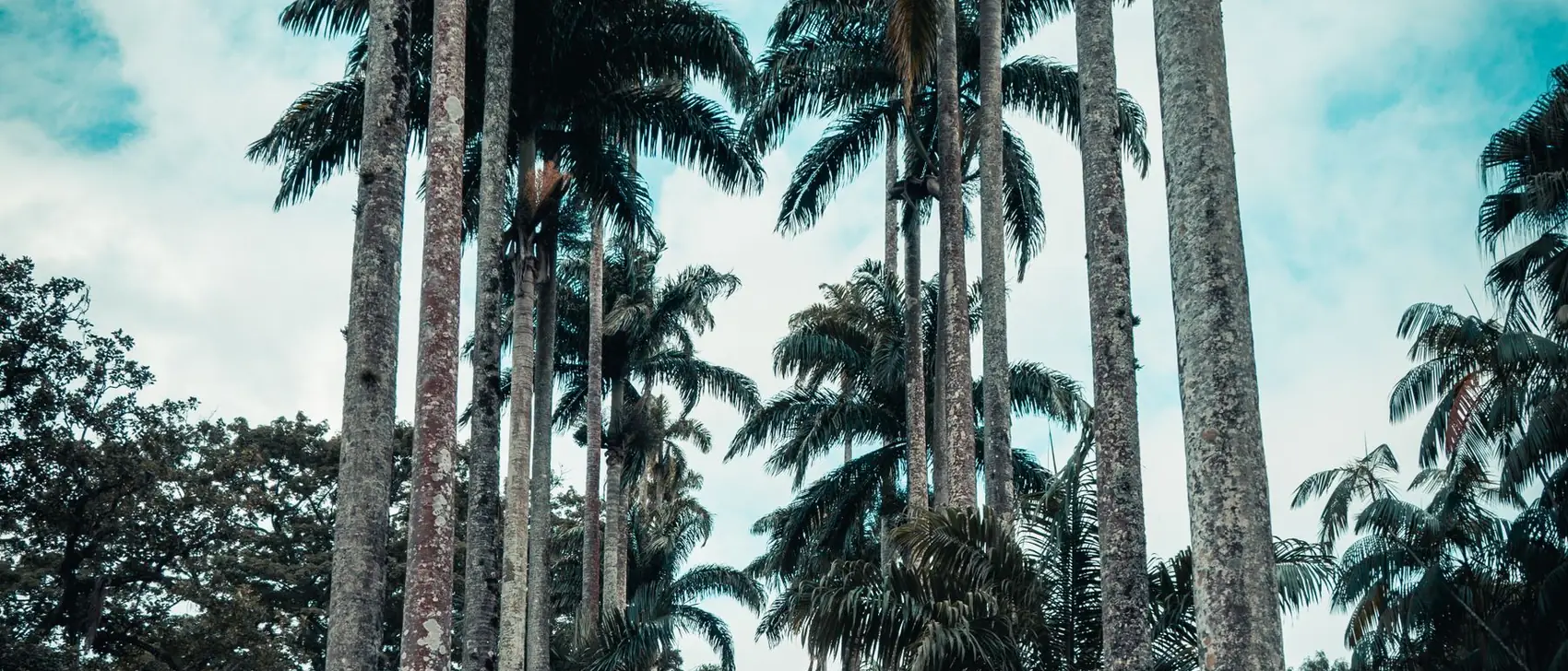
The imperial palm avenue at the botanical garden

What you can do, by effort

Gentle

Little walking, no heat, no exertion. The kind of outing most people are cleared for early.

Guanabara Bay by catamaran

Marina da Glória · 2h, seated

Probably the best outing for the first days: seated the whole time, main deck enclosed and air conditioned, upper deck optional. Passes Ilha Fiscal, the Museum of Tomorrow, Sugarloaf and Christ seen from the water. We book the enclosed catamaran, never an open boat, because of spray and direct sun.

Museum of Tomorrow

Praça Mauá · 1–1.5h

Calatrava’s building, cooled by sea water, fully accessible, timed tickets. It runs cold inside, so bring a light layer, and arrive by car: the promenade around it is 3.5 kilometres without shade.

Museu de Arte do Rio

Praça Mauá · 1h

Under 200 metres from the Museum of Tomorrow, all flat, two buildings joined internally. Combines into the same trip with no extra travel.

Sugarloaf cable car

Urca · 2h

Two enclosed glass cabins in sequence, with eight lift platforms across the three stations. Fast Access exists and is worth it here: queues can run past two hours. The Morro da Urca trail is a different thing entirely and belongs in the last group.

H.Stern workshop tour

Ipanema · 15 min

Free, guided in more than 19 languages, indoors and air conditioned, showing cutting and setting. Premium, short, and it asks nothing of your body. Book ahead.

Vista Chinesa by car

Tijuca forest · 1h

Fifteen minutes uphill by car from the botanical garden, parking at the top, a short walk to the viewpoint, through closed shaded forest. On foot it is 4.5 kilometres of climbing, which is another category.

Moderate

More time on your feet, some sun. Usually a question for the middle of the stay.

Rio Botanical Garden

Jardim Botânico · 1h

The best natural shade among Rio’s outdoor options: wide flat paths, no stairs on the main routes. The short version, the imperial palm avenue and the lake, takes 40 to 60 minutes.

Lagoa Rodrigo de Freitas

Lagoa · 40 min

Flat asphalt, no stairs. Our advice is not to do the loop: pick a kiosk, go late afternoon, and walk no more than 500 metres. Much of the path has little shade.

Santa Teresa by car

Santa Teresa · 2h

Drive straight to a restaurant or to the Chácara do Céu museum, stay seated, skip the tram, and the whole afternoon drops a category.

Ask first

Heat, climbing, water or crowds. These wait for your physician to release them, and never for time alone to pass.

Christ the Redeemer

Read this before you plan it

The escalators were switched off in August 2026 for replacement and return around May 2027. The lifts still run, but about 80 stone steps between the second level and the platform are unavoidable on foot. Climbing chairs and stair-climbing carriers are available at the visitor centre, though they do not operate in rain or on wet ground. The platform itself has no shade at all: sun, wind and uneven stone. If it goes in the plan, put it at the end of the stay, first slot of the morning, and book far ahead — capacity has been cut in half.

Santa Teresa tram

Queue, open sides, no air conditioning

Tickets sold only at the Carioca booth, with reports of one to two hours standing, on an open tram, into a neighbourhood of steep cobbles and rails underfoot.

Selarón steps, climbing them

215 steps

The photograph everyone wants is taken from the bottom, in ten minutes, standing still. Climbing all 215 is a different proposition, and roadworks around the steps run into late 2026.

Morro da Urca on foot

Steep, 30–40 min

Just over a kilometre of continuous climb on steps cut into earth, slippery after rain.

Every option here is a concierge suggestion and not a medical recommendation. Your physician decides what you are cleared for, and RefreshU never infers clearance from silence or from time having passed.

Ipanema seen from the rocks at Arpoador

Where you eat

Your concierge handles the reservation, including the ones that normally need weeks.

Lasai

Botafogo · two Michelin stars

Farm to table by Rafa Costa e Silva, tasting menu around R$ 1,380. Weeks of notice.

Oro

Leblon · two Michelin stars

Felipe Bronze’s Brazilian vanguard, two menus around R$ 980 and R$ 1,100.

MEE

Copacabana · one Michelin star

Omakase inside the Copacabana Palace, around R$ 950. If you are staying there, it is a starred dinner without stepping outside.

Madame Olympe

Leblon · one Michelin star

Claude Troisgros, starred in 2026 and the most reachable of Rio’s stars at R$ 440 to R$ 540.

Talho Capixaba

Leblon · walk in

Delicatessen and sourdough bakery, open every day from 7am to 10pm. Breakfast and lunch with no production at all, for the day you would rather not be seen.

Pici, Koral and Didier

Ipanema · walk in

Three Bib Gourmand addresses within a few blocks of each other: Italian, contemporary and a classic French bistro. Simple booking, or none.

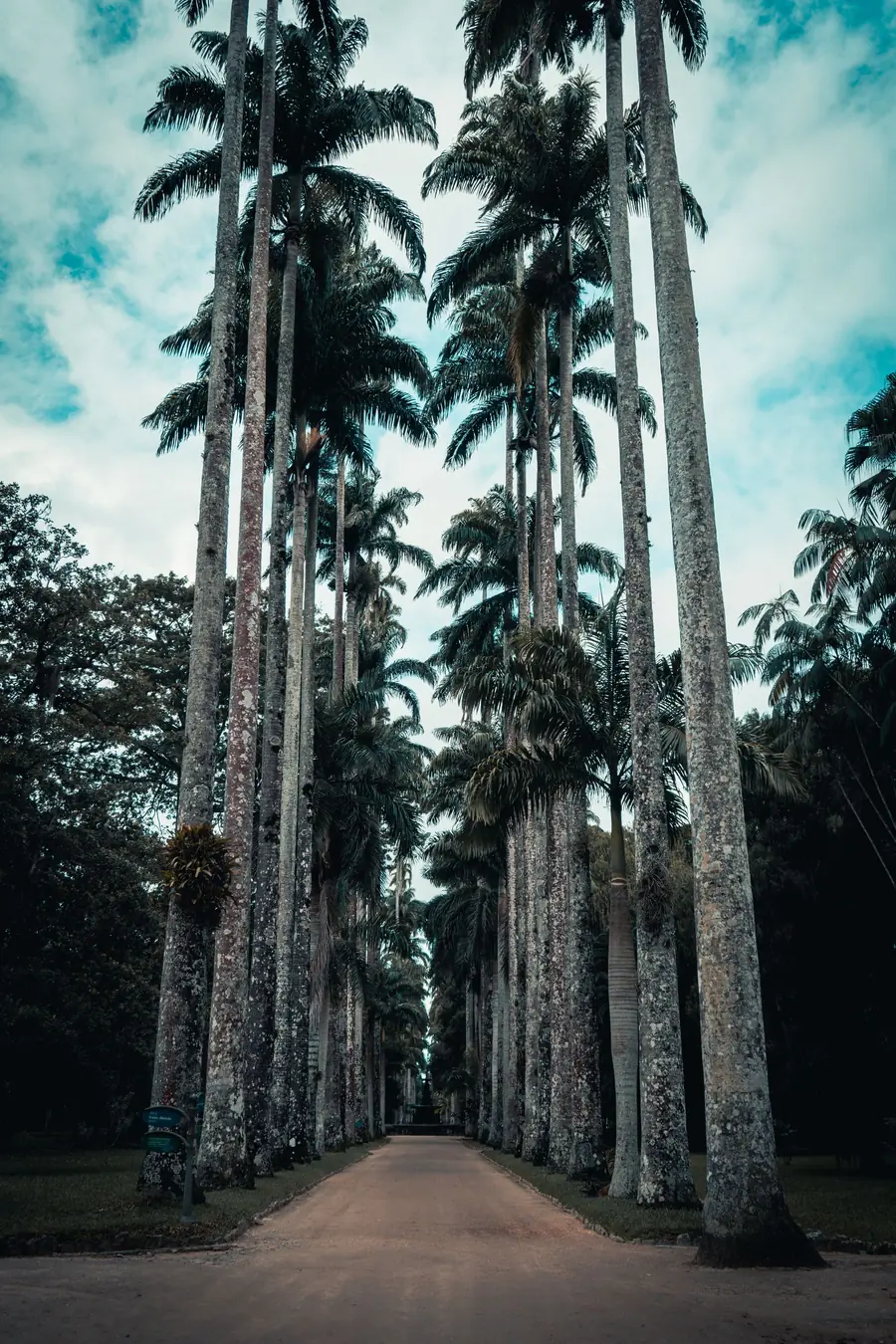
The imperial palm avenue at the botanical garden

On the days you stay in

Meals come to the room, and your concierge knows which kitchens travel well and which do not. Nothing on this page is a medical recommendation, and what you are cleared to eat is your physician’s call.

Shopping and services

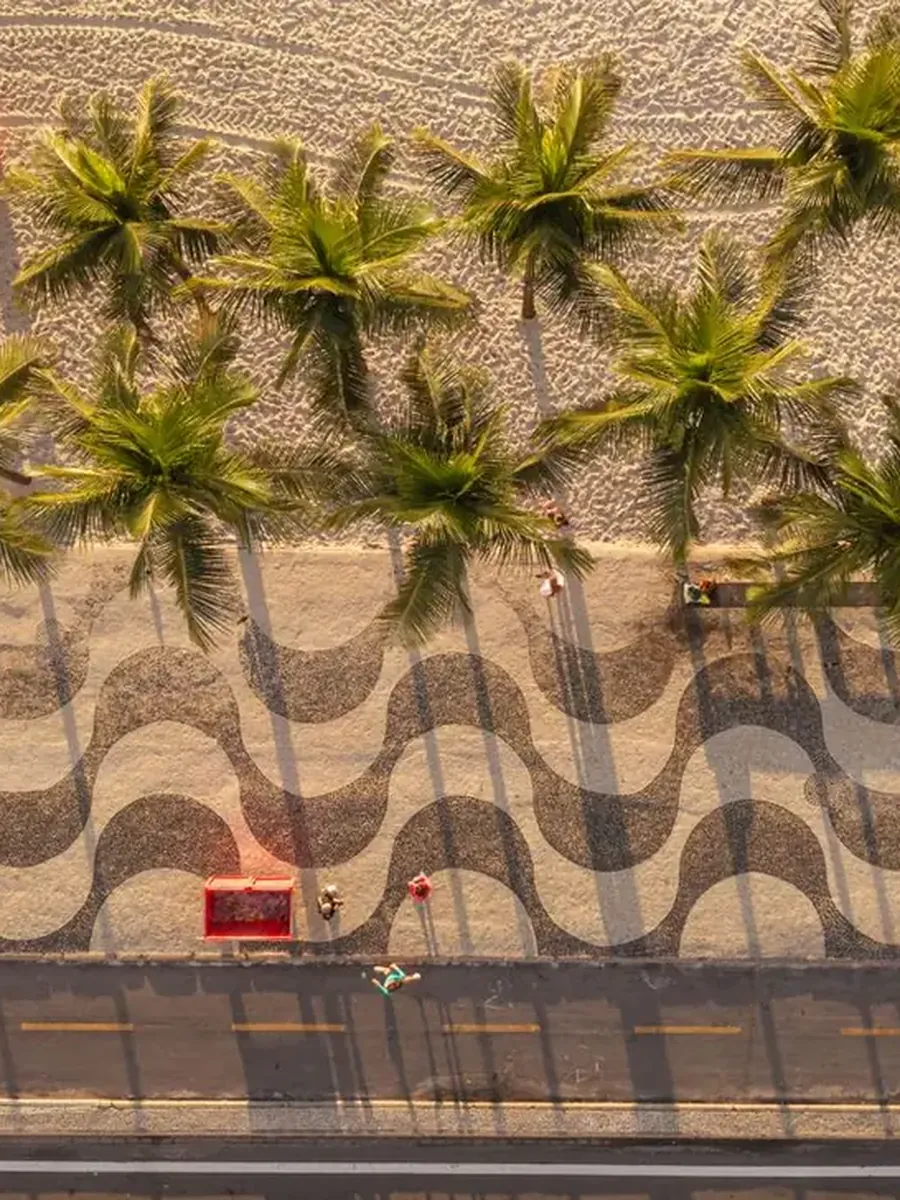
The wave pattern of the Copacabana promenade from above

Rua Garcia D’Ávila

Ipanema

Brazil’s fine jewellery street, with H.Stern, Amsterdam Sauer and Antonio Bernardo. The highest-value, lowest-effort shopping in the city: all indoors, all within two blocks.

Shopping Leblon and Rio Design

Leblon

On opposite corners, the most complete pair in the Zona Sul, with cinema and art installations.

Lymphatic drainage

Hotel spa or in the room

Available in hotel spas, the Fairmont’s among them, and arranged as part of your itinerary.

On the street

Copacabana and Ipanema

The Segurança Presente programme patrols the seafront on foot, bicycle and motorcycle, and 61 municipal guards have covered both neighbourhoods around the clock since May 2026. Private door-to-door transport is still what we recommend at night.

When to come

A healing scalp needs about thirty days out of direct sun, and caps are not allowed early on. That makes the month you choose a clinical question, not a comfort one.

March to June

The best window

20 to 28°C with falling humidity. Warm enough to walk without sweating, which is the whole question in the first two weeks.

July and August

Second best

Sunny and dry, 18 to 25°C, rarely genuinely cold. Strong sun, manageable heat.

December to March

The one to avoid, by a wide margin

The hottest and most humid, with peaks reaching 40°C and a UV index recorded at 13 to 14, where 11 already counts as extreme risk. A healing scalp needs about 30 days out of direct sun, and caps are not allowed early on. In a Rio summer that means no hat, no beach and no shade on most outdoor plans. We would rather tell you than sell you the wrong month.

Book your call

Three steps, nothing clinical, and a time with your RefreshU concierge to talk through the trip.

Book your call
Considering the other city? São Paulo